Maintenance Tips for Long-Lasting Metal Gates and Fences

Metal Gate and Fence

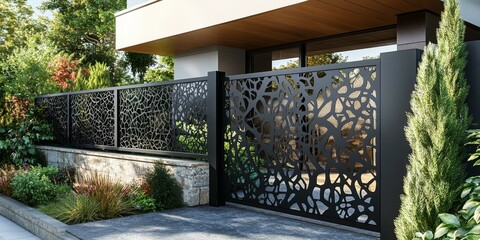
Like anything, fences require regular maintenance to protect them from weather damage and wear. A few simple steps can extend the lifespan of steel fencing and gates for decades.

Routine cleaning and lubrication keep iron fences safe from corrosion and mechanical damage. These maintenance tips are essential for protecting your investment. Visit Metal Gate and Fence for more details.

Check for Signs of Rust

Rust on iron gates can erode the metal, weakening it and compromising its structural integrity. Regular inspection and timely maintenance prevents rust from forming or spreading, extending the life of the gate and keeping it in good condition.

Look for signs of rust on all areas of your iron fence, including the latches and hinges. These spots are particularly prone to corrosion, as they regularly come in contact with water and dirt. A good cleaning routine includes gentle washing with mild soap and water, avoiding harsh cleaners that might scratch or remove protective coatings.

If rust stains do appear, they should be treated right away to avoid long-term damage. A simple vinegar and baking soda mixture is effective for light rust, removing stains without damaging the metal. If the rust has penetrated deeper into the metal, more intense treatments may be necessary.

Depending on the type of iron fence you have, the best option may be to use a powder coating or galvanization, which help keep moisture away from the metal. Other options include stainless steel, which is highly resistant to corrosion, and corten steel, also known as weathering steel, which has a distinctive rust-like appearance that actually protects the metal from further corrosion. Proper landscaping, sloping soil away from the fence base and posts, also helps to prevent moisture build-up.

A good rust treatment involves scrubbing the affected area with a wire brush or sandpaper, then applying a metal primer and a matching coat of paint. Be sure to follow the manufacturer’s instructions for applying each product, and consider using a rust converter when necessary. Rust converters neutralize the rust, preventing it from absorbing into and corroding the steel beneath.

Clean the Gate Regularly

Ultimately, the longevity of your metal gate depends on how well it is finished and maintained. Modern finishing techniques like galvanising and powder coating are incredibly effective at protecting metal gates from corrosion by making them more resistant to casual bumps and scrapes. In order to keep your gate in the best shape possible for as long as you own it, it is vital to clean and inspect it regularly. This will allow you to spot any minor problems and have them fixed promptly before they develop into major ones.

Regular cleaning will not only help prevent rust, but it will also keep your gate looking attractive and functioning properly. You can use a garden hose with a spray nozzle or a pressure washer on a low setting to wash your gate. If your gate is particularly dirty, you can scrub it with a soft-bristle brush or deck brush. Mild detergent is useful for dissolving mineral stains, while white vinegar (household 5% acetic acid) and baking soda can be used to remove stubborn stains.

It is important to inspect your gate and fence for any dents or misalignments on a regular basis, especially after storms or heavy use. Addressing these issues promptly will prevent them from escalating into more serious problems that require costly repairs.

It is also a good idea to periodically touch-up paint surfaces that are starting to chip or fade, as this will help to maintain the protective barrier against corrosion. You should also apply a rust inhibitor primer to any areas where you have sanded down the metal to expose bare spots of iron oxide. This will help to prevent the rust from spreading, and it will provide a base for your next coat of paint.

Apply a Protective Coating

The right protective coating acts as a shield, protecting iron fences from moisture that can cause rusting. Not only does this protect the aesthetics of your home, but it also can significantly extend the lifespan of your wrought iron fence or gate.

When choosing a protective coating, be sure to choose a finish that’s appropriate for your environmental conditions and maintenance level. For example, if you live in a salty environment, consider e-coating, which resists corrosion for up to 2x longer than traditional paint. This process is applied electrochemically, allowing for a deeper penetration of the coating and superior adhesion.

Other protective coatings include phosphating, which improves paint adhesion and corrosion resistance. It is typically a powder, and is able to be applied in a wide range of colors. Phosphating also extends the salt spray test time of subsequent topcoats, meaning it can help you maintain your fence’s protection for much longer than standard paint.

Finally, a common surface treatment option is hot-dip galvanizing, which provides basic anti-rust and corrosion protection. This is a very cost-effective solution, and can be especially helpful if your iron fence is located in a harsh environment where corrosion is a serious concern.

While painting a wrought iron fence can be an extremely rewarding project, it’s important to avoid certain mistakes that can turn your weekend DIY project into a lasting headache. To avoid these pitfalls, start by giving the fence a thorough cleaning. Then, sand the surface to create a smooth and slightly textured surface for the new paint to grip onto. Be sure to sand the entire area, and apply a light coat of primer to prevent moisture buildup. Once the primer is dry, you can begin painting.

Inspect the Fence for Damage

Inspecting the fence on a regular basis is crucial for keeping it in good condition. This step will reveal potential problems early, allowing you to fix them before they worsen.

Begin by checking for wood rot, rust spots, and bent sections. You can also assess the strength of the structure and identify any areas where additional reinforcement is needed. Inspecting your fence for damage on a regular basis can significantly reduce the risk of costly repairs and prolong its lifespan.

Using the right rust-removal tools and protective coatings can help you spot and stop small problems before they turn into larger issues. Performing these tasks prevents the metal from corroding, which can significantly impact its longevity. It is important to do a thorough inspection, including examining the hinges of the gate to ensure they are not bent. If they are, this may indicate that the gates have been used improperly or are subject to extreme weather conditions.

If you notice any cracks or breaks in your wooden fence, it is important to repair them as soon as possible. You can use wood filler to repair these cracks, ensuring that the area is clean and free of dirt before applying the repair. This will prevent the crack from becoming wider and more difficult to repair down the road.

In addition to these steps, it is a good idea to check for signs of damage on metal fences regularly as well. Even though aluminum is a very durable material, it can rust if not properly maintained. Look for signs of corrosion, such as pitting or discoloration, on the surface or in the joints of the fence. You can easily fix these issues with the proper rust-removal tools and protective coats.

Apply Regular Lubrication

The right lubricant can help your gates and fences run smoothly and last longer. However, choosing the correct lubricant depends on a number of factors, including the environment and frequency of use. It is also important to apply the lubricant correctly. For example, if you have gate wheels that move frequently, a silicone-based grease is the best option because it resists water and corrosion. A dry lubricant, like graphite or PTFE (polytetrafluoroethylene), is another good choice for environments that are dirty or dusty.

The weather can significantly impact the condition of your gates and fences, especially when it comes to rust. If you live in a particularly wet or humid area, consider coating your hinges with a rust inhibitor to protect them from corrosion. You may also want to reinforce any bare areas of metal with wood filler or extra screws. It is also important to ensure that there is adequate drainage around the gate posts to avoid standing water, which can accelerate rusting and cause damage.

Inspect the gate and fence regularly for signs of physical damage, rust or other issues. Look for squeaking noises or rough movement, which could indicate that the hinges need to be lubricated.

Using these maintenance tips can help to extend the life of your iron gates and fences. By taking the time to perform regular inspections, you can catch any problems early and prevent them from deteriorating or becoming more difficult to repair later on. You should also rely on a reputable iron fencing contractor for advice and recommendations. They can provide you with the services and products needed to ensure that your iron fences and gates remain structurally sound, visually stunning and resilient against the elements for years to come.
Posted in Metal Works | Tagged , , , , , | Comments Off on Maintenance Tips for Long-Lasting Metal Gates and Fences

Deck Builders – How to Choose the Right Contractor for Your Outdoor Space

Deck Builders Murfreesboro

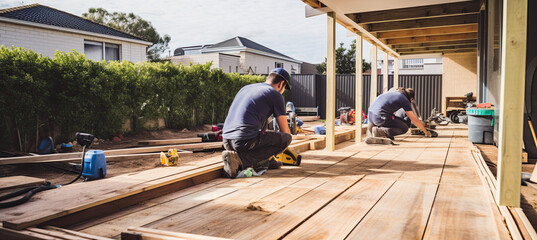
Choosing Deck Builders Murfreesboro for your deck can make all the difference in whether or not you enjoy your outdoor space night after night. There are many factors to consider when choosing a builder.

Advanced building techniques set reputable contractors apart from the competition. Some of these include: helical pile foundations, joist protection tape, and a waterproof deck membrane.

Experience

You can’t underestimate the value of hiring a professional deck builder with plenty of experience. They’ll be able to spot and resolve potential issues before they become big problems, saving you both time and money. They’ll also know how to optimize the design and construction process, making your project more efficient while maintaining high-quality results.

When interviewing builders, ask for a portfolio of past projects. Take note of the size, materials used, and overall look of each. If possible, visit some of these decks in person so that you can see their quality firsthand.

Similarly, ask the contractor to explain their construction and building process in detail. This will give you a sense of their level of expertise and how they work with clients. Additionally, be sure to find out if they have any special training or certifications. For example, if your deck will include an outdoor kitchen or a fire pit area, find out if they are certified to install these features.

Trustworthy deck contractors provide clear communication throughout the renovation process and keep you updated on progress. This prevents misunderstandings and ensures that everyone is on the same page about project scope, timelines, and costs. On the other hand, poor communication can lead to mishaps that may have costly consequences.

Finally, make sure the contractor has the proper licenses and insurance. This protects you from liability if accidents occur on the job site, and it also ensures that they follow local and state laws regarding building standards. Inquire about their worker’s compensation and liability coverage, as well as any relevant state or city licensing requirements for deck building.

Be wary of a contractor who provides an unusually low bid. This could indicate that they are cutting corners by using cheaper materials or skipping steps like obtaining permits. Although these shortcuts might save you money upfront, they will cost you in the long run with expensive repairs and replacements. Find a deck builder who prioritizes integrity and offers warranties to back up their workmanship. For example, TrexPro contractors are eligible to offer labor warranties that range from one to 12 years, depending on their certification level and which products they’re installing.

Credentials

A deck build is a significant financial investment, and you want to be sure you’re working with an experienced, responsible professional. Aside from checking licensing, insurance, and accreditation, look for other signs of professionalism, such as clear communication, craftsmanship, and local knowledge.

Check out their portfolio and ask to visit a few of their completed projects. Look for a variety of designs, construction finesse, and materials; a versatile contractor shows they have the skills to meet your specific vision. Ask about their design process and whether they offer 3D renderings or a consultation. Also, see how well they keep their work environment safe and clean to protect both themselves and your home during construction.

It’s also important to understand how a deck builder handles payment. A trustworthy contractor will offer transparent pricing and provide a detailed proposal that includes the size of your deck, wood type, joist spacing, railing style, warranty details, permit fees, and contingencies. It should be easy for you to find the line items you’re interested in and compare builders.

Lastly, find out what happens if your project runs over schedule or goes over budget. An honest contractor will be upfront about delays, weather issues, or unexpected challenges. They should also agree on a realistic time frame for completion and set penalties for any major delay.

Ask friends, family, and neighbors for referrals to local builders. You can also check out local reviews on Google and Better Business Bureau. Also, look for certifications such as TimberTech Pros or Deckorators Pros that indicate specialized training and experience. Some builders also offer design showrooms where you can view decking materials in person and discuss your project with a representative.

Choosing a deck contractor is a big decision that affects your outdoor space and your home for years to come. Take your time, compare options, and evaluate each builder’s experience, craftsmanship, local knowledge, and credentials. When you choose the right contractor, your project will run smoothly and your new deck will exceed your expectations.

References

Choosing the wrong contractor for your outdoor living space renovation can cost you money and lead to results that don’t live up to expectations. A reputable contractor will have a history of satisfied clients and will be happy to provide references. If possible, visit completed projects to see how their work measures up.

Checking out a potential builder’s reputation is the best way to gauge their experience and professionalism. Personal referrals from trusted friends, neighbors, and family members are a good place to start. Real estate agents, architects, and interior designers who frequently work with contractors can also offer valuable insights into their reliability. Reviews are another great resource, but make sure to review a company’s website thoroughly. Look for consistent praise and complaints, as well as a detailed breakdown of pricing.

When interviewing a builder, discuss your vision for your outdoor living space. A reliable contractor will help you translate your ideas into a functional design and ensure that the initial design can accommodate any future expansions. They will also have a strong understanding of the local building codes, weather conditions, and landscape features that impact the design and construction process.

Ask your potential contractor about their preferred materials for a deck and what their construction techniques are. It is important to choose a builder who uses high-quality, long-lasting materials. Also, if you are interested in a more environmentally-friendly material such as composite, it is crucial to understand how these materials are manufactured.

Find out if your potential deck builder is licensed and insured. This will protect you if anything goes wrong during the project, including damage to your home or landscaping. A reputable contractor will also have workers’ compensation in case one of their employees is injured on the job.

When you have narrowed down your choices, request quotes from a few different builders. Compare these quotes to determine an average price and what’s included in the quote. This will help you avoid unexpected expenses and ensure that your project stays on budget. It’s also a good idea to clarify what warranties are offered on both materials and workmanship.

Trust Your Instincts

When evaluating builders, it’s important to look beyond the numbers and glean insight into the overall builder experience. Ask for references from past clients and review online reviews from reputable sites like Angie’s List and HomeAdvisor. Pay special attention to client feedback that relates to professionalism, adherence to project timelines and budgets, and quality of work.

Look for a builder who will listen carefully to your goals and ideas. Reputable contractors will be able to align their technical skills with your creative vision, resulting in a beautiful and functional outdoor space that enhances your property value.

Once you’ve compiled a shortlist of potential contractors, request quotes for your specific project. Compare each one with a fine-toothed comb, examining labor costs, materials, timelines and any additional fees. Be wary of builders who offer estimates that are significantly lower than others, as this may be a sign that corners will be cut or hidden charges will be incurred.

Finally, choose a builder who will provide a detailed contract for your review and approval. Ideally, this will include a breakdown of the project scope and timeline, including milestones, payment terms, warranties and dispute resolution details. Review the contract with a legal professional to ensure that it’s comprehensive and covers everything that needs to be addressed in your build.

Once you’ve selected a builder, it is crucial to communicate clearly and frequently throughout the building process. Look for a builder who is prompt and courteous with phone and in-person interactions. A dependable contractor will also explain the entire deck-building process, from permits to design to construction and final inspection.

Posted in Deck Builders | Tagged , , , , | Comments Off on Deck Builders – How to Choose the Right Contractor for Your Outdoor Space

Guide to Hardscape: Enhancing Outdoor Spaces with Style and Functionality

Hardscapes are a critical component of landscape design, offering structure, durability, and visual appeal to outdoor spaces. Unlike softscapes, which focus on plants, lawns, and greenery, hardscapes include all the non-living elements of landscaping, such as patios, walkways, retaining walls, and driveways. Integrating hardscape into outdoor areas not only enhances aesthetic appeal but also improves functionality, accessibility, and long-term property value. Get started by clicking here at https://www.gkconstructionsolutions.com/.

hardscape

What is Hardscape?

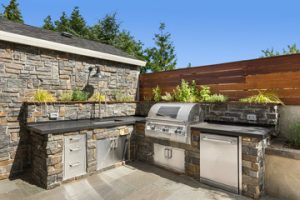
Hardscapes refer to the solid, structural elements in landscaping projects that provide both form and function. These elements can be made from various materials, including concrete, stone, brick, pavers, and wood. Common hardscape features include patios, decks, walkways, retaining walls, fire pits, outdoor kitchens, water features, and fencing.

The primary purpose of hardscape is to create defined spaces, facilitate movement, and support other landscaping features. Well-designed hardscape elements complement softscape elements, such as plants, trees, and gardens, resulting in a balanced, visually appealing outdoor environment.

Benefits of Hardscape Installation

Hardscapes offer numerous benefits beyond aesthetics. Properly installed hardscapes enhance the functionality, safety, and longevity of outdoor areas.

1. Durability and Low Maintenance

Materials like stone, concrete, and brick are built to withstand weather conditions, foot traffic, and heavy use. Unlike natural vegetation, hardscapes require minimal maintenance, reducing long-term upkeep costs.

2. Improved Functionality

Hardscapes provide structure and defines outdoor spaces, creating areas for seating, entertainment, or pathways. For example, a well-designed patio can serve as an extension of indoor living spaces, while retaining walls can stabilize sloped landscapes and prevent erosion.

3. Increased Property Value

Professional hardscape design can significantly increase a property’s curb appeal and market value. Well-executed patios, walkways, and outdoor entertainment areas create a strong impression and attract potential buyers or visitors.

4. Enhanced Safety

Hardscape features like paved walkways, driveways, and stairs provide safe and accessible surfaces, reducing the risk of slips, trips, or erosion-related hazards. Proper installation ensures that these features are level, stable, and durable over time.

Common Types of Hardscape Features

Hardscapes encompass a variety of elements that serve both practical and decorative purposes. Some of the most popular hardscape features include:

  • Patios and Decks – Providing outdoor living spaces for relaxation, dining, and entertainment.
  • Walkways and Pathways – Guiding movement across properties while adding aesthetic appeal.
  • Retaining Walls – Supporting sloped landscapes and preventing soil erosion.
  • Driveways – Offering durable and visually appealing access to homes or buildings.
  • Fire Pits and Outdoor Kitchens – Enhancing recreational spaces and creating gathering areas.
  • Water Features – Adding tranquility and focal points with fountains, ponds, or waterfalls.

Each type of hardscape element contributes to the overall functionality and beauty of the outdoor environment.

Materials Used in Hardscaping

Selecting the right materials is crucial for durability, aesthetics, and budget considerations. Common materials include:

  1. Natural Stone – Offers a timeless, elegant appearance and can be used for patios, walkways, and retaining walls.
  2. Concrete – Versatile and durable, suitable for driveways, sidewalks, and patios, with options for stamping, staining, or coloring.
  3. Brick – Provides a classic look, ideal for pathways, walls, and decorative features.
  4. Pavers – Available in various shapes, sizes, and colors, pavers are used for patios, driveways, and walkways.
  5. Wood – Often used for decks, pergolas, and fencing, wood adds warmth and natural appeal to outdoor spaces.

The choice of material depends on factors such as project type, budget, aesthetic preference, and local climate conditions.

Planning and Designing Hardscapes

Effective hardscape design requires careful planning to balance functionality, aesthetics, and environmental considerations. Key steps in the planning process include:

  • Site Assessment – Evaluating the property’s terrain, soil condition, drainage, and sun exposure.
  • Layout and Design – Determining the placement, size, and style of each hardscape element to ensure cohesive integration with the surrounding landscape.
  • Material Selection – Choosing materials that match the desired look, durability requirements, and budget constraints.
  • Installation Planning – Coordinating the installation process to minimize disruption and ensure proper construction techniques.

Professional design ensures that hardscapes are both practical and visually appealing, enhancing the overall outdoor experience.

Installation of Hardscapes

Hardscape installation involves several steps to ensure durability and longevity. Proper preparation of the site is essential, including grading, excavation, and soil stabilization. Once the foundation is ready, materials are laid according to the design plan, with careful attention to alignment, leveling, and spacing.

For example, paver patios require a compacted base layer of sand and gravel to prevent shifting and settling over time. Retaining walls must be properly anchored and reinforced to withstand soil pressure and environmental factors. Professionals ensure that all elements are installed according to industry standards, providing both structural integrity and aesthetic appeal.

Maintenance of Hardscapes

One of the advantages of hardscapes is low maintenance, but routine care helps preserve their appearance and functionality. Maintenance may include:

  • Regular cleaning to remove dirt, debris, and moss.
  • Inspecting for cracks or shifting and performing repairs as needed.
  • Sealing surfaces such as concrete or stone to protect against weathering and stains.
  • Checking drainage around patios, driveways, and retaining walls to prevent erosion or water damage.

Proper maintenance extends the lifespan of hardscape and keeps outdoor spaces looking pristine for years.

Environmental and Practical Considerations

Hardscape projects should consider environmental impact and sustainability. Permeable pavers, for instance, allow water to drain through surfaces, reducing runoff and promoting groundwater recharge. Using locally sourced or recycled materials also minimizes environmental impact and supports sustainable construction practices.

Additionally, integrating hardscape with natural elements enhances both aesthetics and functionality. Combining patios, walkways, and retaining walls with gardens, lawns, and water features creates a balanced outdoor environment that is visually pleasing and practical.

Choosing the Right Hardscape Service

Selecting the right hardscape service is essential for a successful project. Property owners should consider experience, portfolio, and client reviews to ensure quality craftsmanship. Professionals should offer design consultation, material recommendations, and installation services tailored to specific project needs.

Clear communication and detailed project estimates help set expectations and prevent surprises. A reputable hardscape service will provide guidance on design, materials, and maintenance, ensuring long-lasting and visually appealing results.

Hardscapes are a vital component of landscaping, combining beauty, functionality, and durability in outdoor spaces. From patios and walkways to retaining walls and water features, hardscape elements define outdoor living areas, improve accessibility, and enhance property value.

Professional hardscape design and installation ensure that these elements are constructed to last, complement the surrounding environment, and provide a safe, enjoyable space for relaxation and recreation. Whether creating a backyard retreat, a functional driveway, or an outdoor entertainment area, investing in high-quality hardscape delivers long-term benefits for both aesthetic appeal and practical use.

Posted in Stone Artisans Services | Tagged , , , , | Comments Off on Guide to Hardscape: Enhancing Outdoor Spaces with Style and Functionality

How Long Does a Roof Last? Lifespan by Roofing Material

Cedar Park Roofing Pro

Cedar Park Roofing Pro protects everything and everyone important to you, so it needs to be strong and durable. Many factors can affect your roof’s lifespan, including weather conditions, installation quality and maintenance.

The roofing material you choose is one of the most important factors. Premium materials generally outlast lower-grade options and can save you money in the long run.

Asphalt Shingles

Choosing the right roofing material is an important part of any residential home remodel. However, a roof’s lifespan isn’t set in stone, and many homeowners are confused about what to expect from their investment. A common misconception is that a roof warranty covers everything from installation to maintenance, but a roof’s longevity actually depends on various factors, including its material, climate and upkeep.

The most popular roofing material in the US is asphalt shingles, which are generally marketed as lasting anywhere from 20 to 30 years. While these shingles do last for about this long, they will start to wear down as soon as they leave their factory. The aging process of shingles starts when they are first exposed to the elements, and can be accelerated by certain environmental conditions like extreme heat or pressure.

Even the best shingles can be shortened in life if they aren’t installed correctly. Poor workmanship, such as using subpar materials or skipping key steps in the roof installation process, can dramatically reduce shingle durability.

Another major factor in a shingle’s lifespan is its location. A roof that is directly over a swimming pool, for example, is likely to wear down faster than one that is not, due to the constant exposure to moisture. Other environmental factors, such as improper attic ventilation and overgrown trees that rub against the roof, can also shorten shingle lifespans.

Wood shingle roofs are typically made from cedar, which is a natural rot-resistant material. However, other rot-resistant choices include pine and fir. If properly maintained, a wood shingle roof can last for up to 40 years. A frequent issue with these types of roofs is a lack of regular maintenance and inspection, which can lead to rot, water leaks and other damages.

Clay tile roofs are one of the most durable roofing options on the market, and can last up to 100 years in warmer climates. However, the intense freeze-thaw cycles of Illinois weather can significantly reduce this lifespan, and proper winter maintenance is essential for homeowners who choose this material. Regular inspections from a licensed roofing contractor will help homeowners spot early signs of damage and prevent more costly repairs down the road.

Metal Roofs

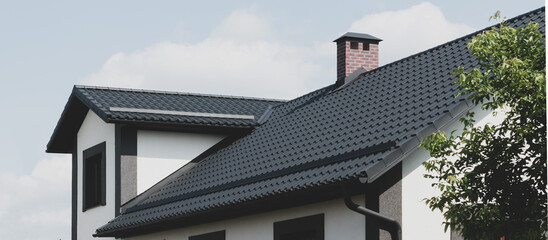
The lifespan of a metal roof far exceeds that of asphalt shingles, with some premium options like copper and zinc lasting more than 100 years. This makes them a smart investment for homeowners planning to stay in their homes for many decades, and they can also add value to the home if it’s sold later on. However, the lifespan of a metal roof can vary widely depending on factors like the type of metal used, quality of installation, and regular maintenance. The type of metal you choose should be tailored to your specific needs and budget.

Corrugated metal roofing lasts 20-30 years, while standing seam metal typically offers a 50-70 year lifespan. Other options, such as corrugated aluminum or stone-coated steel offer an aesthetically pleasing alternative that can improve your home’s curb appeal and last for up to 40 years. The longevity of a metal roof can also depend on the gauge and coating of the material, as well as the local climate conditions and installation quality.

Tile roofs are another long-lasting option, as they’re highly durable and can withstand extreme weather conditions. Concrete and clay tiles can last up to a century and are known for their Mediterranean aesthetic. They’re fire-resistant and energy-efficient, reducing cooling costs by 10-25%. Choosing tiles with a higher glaze percentage can also increase longevity and reduce the risk of leaks or damage.

Wood roofs have a rustic beauty and can match certain architectural styles, but they require regular maintenance to avoid premature failure. A wood shake or shingle roof can last up to 30 years, while cedar shingles and shakes that have been treated with chromated copper arsenate may last longer.

It’s important to understand the different roofing materials and their respective lifespans in order to make informed decisions when selecting a new roof or replacing an old one. But even with a clear understanding of the differences, there are still many factors that can affect your roof’s longevity, including the quality of the installer, regular maintenance, and local weather conditions. Contact Graduate Contracting for expert advice on extending the lifespan of your roof.

Tile Roofs

Tile roofs are known for their durability and longevity, often lasting up to 100 years if properly installed and maintained. However, this lifespan can vary depending on the type of tiles used and climate conditions. It’s also important to remember that even the most durable roofing materials can wear down with improper installation or care.

The primary reason that tile roofs last so long is their strength and durability. Both clay and concrete tiles resist the effects of harsh weather, including hail, high winds, and heavy rains. They are also fire resistant, making them a great choice for the Arizona desert, where wildfires are common.

In addition to their durability, tile roofs are visually appealing, offering a unique aesthetic that’s ideal for many homeowners. They also tend to have a lower life-cycle cost than other roofing types. They are class A fire rated, meaning they can withstand high heat and flames for up to an hour.

Compared to asphalt shingles, tile roofs typically have an insulative value of R-15, meaning they can reduce energy bills significantly. These benefits, combined with their longevity and resistance to rot, make tile roofs an excellent choice for the Arizona climate.

Although tile roofs are sturdy, they require regular inspections to ensure that they stay in good shape. Identifying issues early on can prevent costly repairs and extend the lifespan of your tile roof even further. Check for displaced or cracked tiles, which can lead to leaks. Also be sure to check for internal water stains, which indicate damage caused by moisture that has seeped through damaged areas of the roof.

Another factor that impacts the lifespan of tile roofs is their slope. A steeper slope helps to shed snow and water quickly, while a flat roof can become damaged from water lingering on the surface for too long. Finally, proper attic ventilation and insulation are key for maximizing the lifespan of your tile roof.

With the right installation and maintenance, tile roofs can easily endure decades of harsh Arizona weather. If you’re considering a tile roof for your home, be sure to work with an experienced contractor that uses proper installation techniques.

Wood Roofs

When installed properly and regularly maintained, wood roofs can last from 30 to 50 years. They are durable, eco-friendly, and provide a beautiful aesthetic to any home. While these advantages are tempting, homeowners should carefully consider their budget before selecting a wood roof. This type of roof requires a lot of maintenance to prevent issues like water leaks and mold growth. A professional roofer can help with these tasks, including periodic inspections, cleaning, and moss and algae control.

Metal roofs are gaining popularity because of their durability and modern appearance. They can also reduce cooling expenses and increase the value of a home. However, they require a significant upfront investment. The lifespan of a metal roof is dependent on the material, quality of installation, and regular maintenance. In the right environment, a metal roof can last for up to 70 years or more.

The type of wood used in a roofing system can also impact longevity. Softer varieties, such as pine, deteriorate faster than more durable species, like cedar. The pitch of a roof is another factor, as low pitches can lead to moisture retention and rot. The color of a roof is also important, as dark materials absorb more heat and may require extra insulation.

Like all roofing systems, the lifespan of a flat roof is dependent on its material, quality of installation, and maintenance. Regular inspections can spot damage or wear before it causes costly repairs. Proper maintenance includes cleaning, removing moss and algae, and replacing missing or damaged shingles. Flat roofs often need more frequent repairs, since they are more susceptible to moisture accumulation and leaks.

Posted in Roofing | Tagged , , , , , | Comments Off on How Long Does a Roof Last? Lifespan by Roofing Material

Expert Building Contractor Services for Stronger and Smarter Construction Projects

When it comes to bringing architectural visions to life, building contractor services play an essential role in ensuring that every structure is safe, efficient, and beautifully crafted. Whether constructing residential homes, commercial properties, or industrial facilities, professional building contractors oversee every stage of development, from design planning to project completion. Their expertise not only ensures quality results but also helps clients save time, minimize costs, and reduce construction-related stress.

In today’s fast-paced construction industry, hiring a skilled building contractor is more important than ever. They provide the knowledge, experience, and management needed to turn blueprints into reality—while maintaining strict standards of safety, quality, and efficiency.

contractors

The Importance of Professional Building Contractor Services

A building contractor serves as the cornerstone of any construction project. Their primary responsibility is to coordinate all aspects of the build, including hiring skilled labor, sourcing quality materials, and ensuring compliance with codes and regulations. Without a competent contractor, even the best design plans can face delays, poor craftsmanship, or costly mistakes.

Professional building contractor services are essential for several reasons:

  1. Project Coordination and Management – Contractors manage every detail of the construction process, from scheduling and budgeting to supervising subcontractors. Their experience helps streamline the workflow and maintain project timelines.
  2. Quality Assurance – Reliable contractors ensure all work meets industry standards, using quality materials and following best practices to achieve durable, safe, and aesthetically pleasing results.
  3. Budget Control – Skilled contractors understand how to allocate resources efficiently. They help clients avoid unnecessary expenses and offer transparent cost estimates to prevent budget overruns.
  4. Legal and Safety Compliance – Building contractors are familiar with local regulations and safety codes. They ensure that all construction work complies with legal requirements to avoid penalties or project delays.

Types of Building Contractor Services

The construction field encompasses a wide range of specialized services. Understanding these can help clients choose the right type of contractor for their specific project needs.

  1. Residential Construction
  2. Residential building contractors handle a range of home construction projects, including single-family homes, townhouses, apartments, and renovations. They focus on comfort, design functionality, and energy efficiency. Whether constructing a new home or remodeling an existing one, these contractors ensure that each element—from foundations to finishes—meets the homeowner’s vision.
  3. Commercial Construction
  4. Commercial contractors specialize in office buildings, retail spaces, hotels, and other business facilities. These projects often involve larger budgets, complex designs, and strict timelines. Contractors work closely with architects, engineers, and business owners to ensure that the project supports both productivity and a positive customer experience.
  5. Industrial Construction
  6. Industrial contractors work on factories, warehouses, and large-scale facilities that require specialized materials and infrastructure. Their expertise ensures that structures can handle heavy machinery, high-capacity operations, and safety standards unique to industrial environments.
  7. Renovation and Remodeling
  8. Renovation contractors focus on updating or expanding existing structures. Whether improving structural integrity, modernizing designs, or enhancing energy efficiency, they breathe new life into older buildings while maintaining functionality.
  9. Design-Build Services
  10. Many modern contractors offer design-build services, where design and construction are handled under one contract. This streamlined approach encourages better collaboration, reduces project duration, and minimizes communication gaps between designers and builders.

Key Qualities of a Reliable Building Contractor

Choosing the right building contractor is crucial for the success of any project. The best contractors share several important qualities:

  • Experience and Expertise – Years of hands-on experience ensure that the contractor can handle challenges efficiently and deliver high-quality results.
  • Strong Communication Skills – Clear communication with clients and subcontractors ensures smooth progress and fewer misunderstandings.
  • Attention to Detail – A meticulous contractor pays attention to every detail, from precise measurements to perfect finishes.
  • Transparency and Integrity – Trustworthy contractors provide accurate quotes, realistic timelines, and honest assessments of project requirements.
  • Commitment to Safety – A strong safety record demonstrates professionalism and dedication to protecting workers and clients.

The Process of Working with a Building Contractor

A well-structured process ensures the success of any construction project. Most building contractors follow these general stages:

  1. Initial Consultation and Planning
  2. The process begins with a consultation to discuss project goals, budget, design preferences, and timelines. Contractors may conduct site inspections to assess conditions and feasibility.
  3. Design and Budgeting
  4. Contractors collaborate with designers or architects to develop detailed plans and cost estimates. They ensure that the design aligns with the client’s budget while maintaining quality.
  5. Permits and Documentation
  6. Before construction begins, contractors secure the necessary permits and approvals. This step ensures compliance with all local building codes and safety regulations.
  7. Construction Phase
  8. During this stage, contractors coordinate labor, manage materials, and supervise every aspect of the build. Regular progress updates keep clients informed.
  9. Quality Inspection and Handover
  10. After completion, a final inspection ensures all work meets specifications and standards. The contractor then hands over the finished project, ready for use or occupancy.

Benefits of Hiring Professional Building Contractor Services

Opting for a professional building contractor offers numerous advantages that make the investment worthwhile:

  • Efficiency and Time Management – Contractors have established networks and scheduling systems that help complete projects on time.
  • Cost Savings – Through their supplier connections and negotiation skills, contractors can often secure better pricing on materials.
  • Stress-Free Experience – Handling permits, inspections, and coordination can be overwhelming; contractors take care of these responsibilities, allowing clients to focus on other priorities.
  • Guaranteed Work Quality – Professional contractors stand by their work, often providing warranties or guarantees for peace of mind.

Building the Future with Professional Expertise

In the world of construction, precision and professionalism make all the difference. Building contractor services are not just about erecting structures—they are about creating lasting foundations for homes, businesses, and communities. Whether it’s a modern residence, a bustling office, or an industrial complex, the right contractor ensures that every project stands strong for generations.

For anyone planning a construction project, partnering with a reputable building contractor is the smartest step toward success. With their expertise, organization, and dedication, clients can expect a seamless construction process and a finished product that perfectly matches their vision.

Posted in Uncategorized | Comments Off on Expert Building Contractor Services for Stronger and Smarter Construction Projects