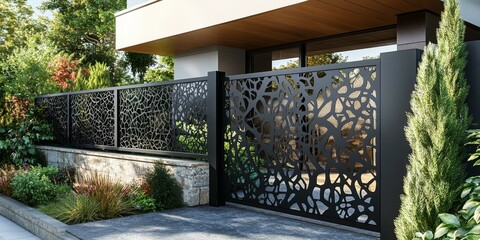
Like anything, fences require regular maintenance to protect them from weather damage and wear. A few simple steps can extend the lifespan of steel fencing and gates for decades.
Routine cleaning and lubrication keep iron fences safe from corrosion and mechanical damage. These maintenance tips are essential for protecting your investment. Visit Metal Gate and Fence for more details.
Check for Signs of Rust
Rust on iron gates can erode the metal, weakening it and compromising its structural integrity. Regular inspection and timely maintenance prevents rust from forming or spreading, extending the life of the gate and keeping it in good condition.
Look for signs of rust on all areas of your iron fence, including the latches and hinges. These spots are particularly prone to corrosion, as they regularly come in contact with water and dirt. A good cleaning routine includes gentle washing with mild soap and water, avoiding harsh cleaners that might scratch or remove protective coatings.
If rust stains do appear, they should be treated right away to avoid long-term damage. A simple vinegar and baking soda mixture is effective for light rust, removing stains without damaging the metal. If the rust has penetrated deeper into the metal, more intense treatments may be necessary.
Depending on the type of iron fence you have, the best option may be to use a powder coating or galvanization, which help keep moisture away from the metal. Other options include stainless steel, which is highly resistant to corrosion, and corten steel, also known as weathering steel, which has a distinctive rust-like appearance that actually protects the metal from further corrosion. Proper landscaping, sloping soil away from the fence base and posts, also helps to prevent moisture build-up.
A good rust treatment involves scrubbing the affected area with a wire brush or sandpaper, then applying a metal primer and a matching coat of paint. Be sure to follow the manufacturer’s instructions for applying each product, and consider using a rust converter when necessary. Rust converters neutralize the rust, preventing it from absorbing into and corroding the steel beneath.
Clean the Gate Regularly
Ultimately, the longevity of your metal gate depends on how well it is finished and maintained. Modern finishing techniques like galvanising and powder coating are incredibly effective at protecting metal gates from corrosion by making them more resistant to casual bumps and scrapes. In order to keep your gate in the best shape possible for as long as you own it, it is vital to clean and inspect it regularly. This will allow you to spot any minor problems and have them fixed promptly before they develop into major ones.
Regular cleaning will not only help prevent rust, but it will also keep your gate looking attractive and functioning properly. You can use a garden hose with a spray nozzle or a pressure washer on a low setting to wash your gate. If your gate is particularly dirty, you can scrub it with a soft-bristle brush or deck brush. Mild detergent is useful for dissolving mineral stains, while white vinegar (household 5% acetic acid) and baking soda can be used to remove stubborn stains.
It is important to inspect your gate and fence for any dents or misalignments on a regular basis, especially after storms or heavy use. Addressing these issues promptly will prevent them from escalating into more serious problems that require costly repairs.
It is also a good idea to periodically touch-up paint surfaces that are starting to chip or fade, as this will help to maintain the protective barrier against corrosion. You should also apply a rust inhibitor primer to any areas where you have sanded down the metal to expose bare spots of iron oxide. This will help to prevent the rust from spreading, and it will provide a base for your next coat of paint.
Apply a Protective Coating
The right protective coating acts as a shield, protecting iron fences from moisture that can cause rusting. Not only does this protect the aesthetics of your home, but it also can significantly extend the lifespan of your wrought iron fence or gate.
When choosing a protective coating, be sure to choose a finish that’s appropriate for your environmental conditions and maintenance level. For example, if you live in a salty environment, consider e-coating, which resists corrosion for up to 2x longer than traditional paint. This process is applied electrochemically, allowing for a deeper penetration of the coating and superior adhesion.
Other protective coatings include phosphating, which improves paint adhesion and corrosion resistance. It is typically a powder, and is able to be applied in a wide range of colors. Phosphating also extends the salt spray test time of subsequent topcoats, meaning it can help you maintain your fence’s protection for much longer than standard paint.
Finally, a common surface treatment option is hot-dip galvanizing, which provides basic anti-rust and corrosion protection. This is a very cost-effective solution, and can be especially helpful if your iron fence is located in a harsh environment where corrosion is a serious concern.
While painting a wrought iron fence can be an extremely rewarding project, it’s important to avoid certain mistakes that can turn your weekend DIY project into a lasting headache. To avoid these pitfalls, start by giving the fence a thorough cleaning. Then, sand the surface to create a smooth and slightly textured surface for the new paint to grip onto. Be sure to sand the entire area, and apply a light coat of primer to prevent moisture buildup. Once the primer is dry, you can begin painting.
Inspect the Fence for Damage
Inspecting the fence on a regular basis is crucial for keeping it in good condition. This step will reveal potential problems early, allowing you to fix them before they worsen.
Begin by checking for wood rot, rust spots, and bent sections. You can also assess the strength of the structure and identify any areas where additional reinforcement is needed. Inspecting your fence for damage on a regular basis can significantly reduce the risk of costly repairs and prolong its lifespan.
Using the right rust-removal tools and protective coatings can help you spot and stop small problems before they turn into larger issues. Performing these tasks prevents the metal from corroding, which can significantly impact its longevity. It is important to do a thorough inspection, including examining the hinges of the gate to ensure they are not bent. If they are, this may indicate that the gates have been used improperly or are subject to extreme weather conditions.
If you notice any cracks or breaks in your wooden fence, it is important to repair them as soon as possible. You can use wood filler to repair these cracks, ensuring that the area is clean and free of dirt before applying the repair. This will prevent the crack from becoming wider and more difficult to repair down the road.
In addition to these steps, it is a good idea to check for signs of damage on metal fences regularly as well. Even though aluminum is a very durable material, it can rust if not properly maintained. Look for signs of corrosion, such as pitting or discoloration, on the surface or in the joints of the fence. You can easily fix these issues with the proper rust-removal tools and protective coats.
Apply Regular Lubrication
The right lubricant can help your gates and fences run smoothly and last longer. However, choosing the correct lubricant depends on a number of factors, including the environment and frequency of use. It is also important to apply the lubricant correctly. For example, if you have gate wheels that move frequently, a silicone-based grease is the best option because it resists water and corrosion. A dry lubricant, like graphite or PTFE (polytetrafluoroethylene), is another good choice for environments that are dirty or dusty.
The weather can significantly impact the condition of your gates and fences, especially when it comes to rust. If you live in a particularly wet or humid area, consider coating your hinges with a rust inhibitor to protect them from corrosion. You may also want to reinforce any bare areas of metal with wood filler or extra screws. It is also important to ensure that there is adequate drainage around the gate posts to avoid standing water, which can accelerate rusting and cause damage.
Inspect the gate and fence regularly for signs of physical damage, rust or other issues. Look for squeaking noises or rough movement, which could indicate that the hinges need to be lubricated.
Using these maintenance tips can help to extend the life of your iron gates and fences. By taking the time to perform regular inspections, you can catch any problems early and prevent them from deteriorating or becoming more difficult to repair later on. You should also rely on a reputable iron fencing contractor for advice and recommendations. They can provide you with the services and products needed to ensure that your iron fences and gates remain structurally sound, visually stunning and resilient against the elements for years to come.