
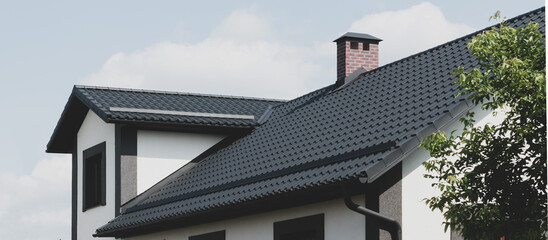
Cedar Park Roofing Pro protects everything and everyone important to you, so it needs to be strong and durable. Many factors can affect your roof’s lifespan, including weather conditions, installation quality and maintenance.
The roofing material you choose is one of the most important factors. Premium materials generally outlast lower-grade options and can save you money in the long run.
Asphalt Shingles
Choosing the right roofing material is an important part of any residential home remodel. However, a roof’s lifespan isn’t set in stone, and many homeowners are confused about what to expect from their investment. A common misconception is that a roof warranty covers everything from installation to maintenance, but a roof’s longevity actually depends on various factors, including its material, climate and upkeep.
The most popular roofing material in the US is asphalt shingles, which are generally marketed as lasting anywhere from 20 to 30 years. While these shingles do last for about this long, they will start to wear down as soon as they leave their factory. The aging process of shingles starts when they are first exposed to the elements, and can be accelerated by certain environmental conditions like extreme heat or pressure.
Even the best shingles can be shortened in life if they aren’t installed correctly. Poor workmanship, such as using subpar materials or skipping key steps in the roof installation process, can dramatically reduce shingle durability.
Another major factor in a shingle’s lifespan is its location. A roof that is directly over a swimming pool, for example, is likely to wear down faster than one that is not, due to the constant exposure to moisture. Other environmental factors, such as improper attic ventilation and overgrown trees that rub against the roof, can also shorten shingle lifespans.
Wood shingle roofs are typically made from cedar, which is a natural rot-resistant material. However, other rot-resistant choices include pine and fir. If properly maintained, a wood shingle roof can last for up to 40 years. A frequent issue with these types of roofs is a lack of regular maintenance and inspection, which can lead to rot, water leaks and other damages.
Clay tile roofs are one of the most durable roofing options on the market, and can last up to 100 years in warmer climates. However, the intense freeze-thaw cycles of Illinois weather can significantly reduce this lifespan, and proper winter maintenance is essential for homeowners who choose this material. Regular inspections from a licensed roofing contractor will help homeowners spot early signs of damage and prevent more costly repairs down the road.
Metal Roofs
The lifespan of a metal roof far exceeds that of asphalt shingles, with some premium options like copper and zinc lasting more than 100 years. This makes them a smart investment for homeowners planning to stay in their homes for many decades, and they can also add value to the home if it’s sold later on. However, the lifespan of a metal roof can vary widely depending on factors like the type of metal used, quality of installation, and regular maintenance. The type of metal you choose should be tailored to your specific needs and budget.
Corrugated metal roofing lasts 20-30 years, while standing seam metal typically offers a 50-70 year lifespan. Other options, such as corrugated aluminum or stone-coated steel offer an aesthetically pleasing alternative that can improve your home’s curb appeal and last for up to 40 years. The longevity of a metal roof can also depend on the gauge and coating of the material, as well as the local climate conditions and installation quality.
Tile roofs are another long-lasting option, as they’re highly durable and can withstand extreme weather conditions. Concrete and clay tiles can last up to a century and are known for their Mediterranean aesthetic. They’re fire-resistant and energy-efficient, reducing cooling costs by 10-25%. Choosing tiles with a higher glaze percentage can also increase longevity and reduce the risk of leaks or damage.
Wood roofs have a rustic beauty and can match certain architectural styles, but they require regular maintenance to avoid premature failure. A wood shake or shingle roof can last up to 30 years, while cedar shingles and shakes that have been treated with chromated copper arsenate may last longer.
It’s important to understand the different roofing materials and their respective lifespans in order to make informed decisions when selecting a new roof or replacing an old one. But even with a clear understanding of the differences, there are still many factors that can affect your roof’s longevity, including the quality of the installer, regular maintenance, and local weather conditions. Contact Graduate Contracting for expert advice on extending the lifespan of your roof.
Tile Roofs
Tile roofs are known for their durability and longevity, often lasting up to 100 years if properly installed and maintained. However, this lifespan can vary depending on the type of tiles used and climate conditions. It’s also important to remember that even the most durable roofing materials can wear down with improper installation or care.
The primary reason that tile roofs last so long is their strength and durability. Both clay and concrete tiles resist the effects of harsh weather, including hail, high winds, and heavy rains. They are also fire resistant, making them a great choice for the Arizona desert, where wildfires are common.
In addition to their durability, tile roofs are visually appealing, offering a unique aesthetic that’s ideal for many homeowners. They also tend to have a lower life-cycle cost than other roofing types. They are class A fire rated, meaning they can withstand high heat and flames for up to an hour.
Compared to asphalt shingles, tile roofs typically have an insulative value of R-15, meaning they can reduce energy bills significantly. These benefits, combined with their longevity and resistance to rot, make tile roofs an excellent choice for the Arizona climate.
Although tile roofs are sturdy, they require regular inspections to ensure that they stay in good shape. Identifying issues early on can prevent costly repairs and extend the lifespan of your tile roof even further. Check for displaced or cracked tiles, which can lead to leaks. Also be sure to check for internal water stains, which indicate damage caused by moisture that has seeped through damaged areas of the roof.
Another factor that impacts the lifespan of tile roofs is their slope. A steeper slope helps to shed snow and water quickly, while a flat roof can become damaged from water lingering on the surface for too long. Finally, proper attic ventilation and insulation are key for maximizing the lifespan of your tile roof.
With the right installation and maintenance, tile roofs can easily endure decades of harsh Arizona weather. If you’re considering a tile roof for your home, be sure to work with an experienced contractor that uses proper installation techniques.
Wood Roofs
When installed properly and regularly maintained, wood roofs can last from 30 to 50 years. They are durable, eco-friendly, and provide a beautiful aesthetic to any home. While these advantages are tempting, homeowners should carefully consider their budget before selecting a wood roof. This type of roof requires a lot of maintenance to prevent issues like water leaks and mold growth. A professional roofer can help with these tasks, including periodic inspections, cleaning, and moss and algae control.
Metal roofs are gaining popularity because of their durability and modern appearance. They can also reduce cooling expenses and increase the value of a home. However, they require a significant upfront investment. The lifespan of a metal roof is dependent on the material, quality of installation, and regular maintenance. In the right environment, a metal roof can last for up to 70 years or more.
The type of wood used in a roofing system can also impact longevity. Softer varieties, such as pine, deteriorate faster than more durable species, like cedar. The pitch of a roof is another factor, as low pitches can lead to moisture retention and rot. The color of a roof is also important, as dark materials absorb more heat and may require extra insulation.
Like all roofing systems, the lifespan of a flat roof is dependent on its material, quality of installation, and maintenance. Regular inspections can spot damage or wear before it causes costly repairs. Proper maintenance includes cleaning, removing moss and algae, and replacing missing or damaged shingles. Flat roofs often need more frequent repairs, since they are more susceptible to moisture accumulation and leaks.